Dr.R brings data standardization, study design, and evidence generation into a controlled on-premises workflow. It helps research teams turn heterogeneous clinical data into reviewable, reproducible research assets—while keeping data and analysis under institutional control.
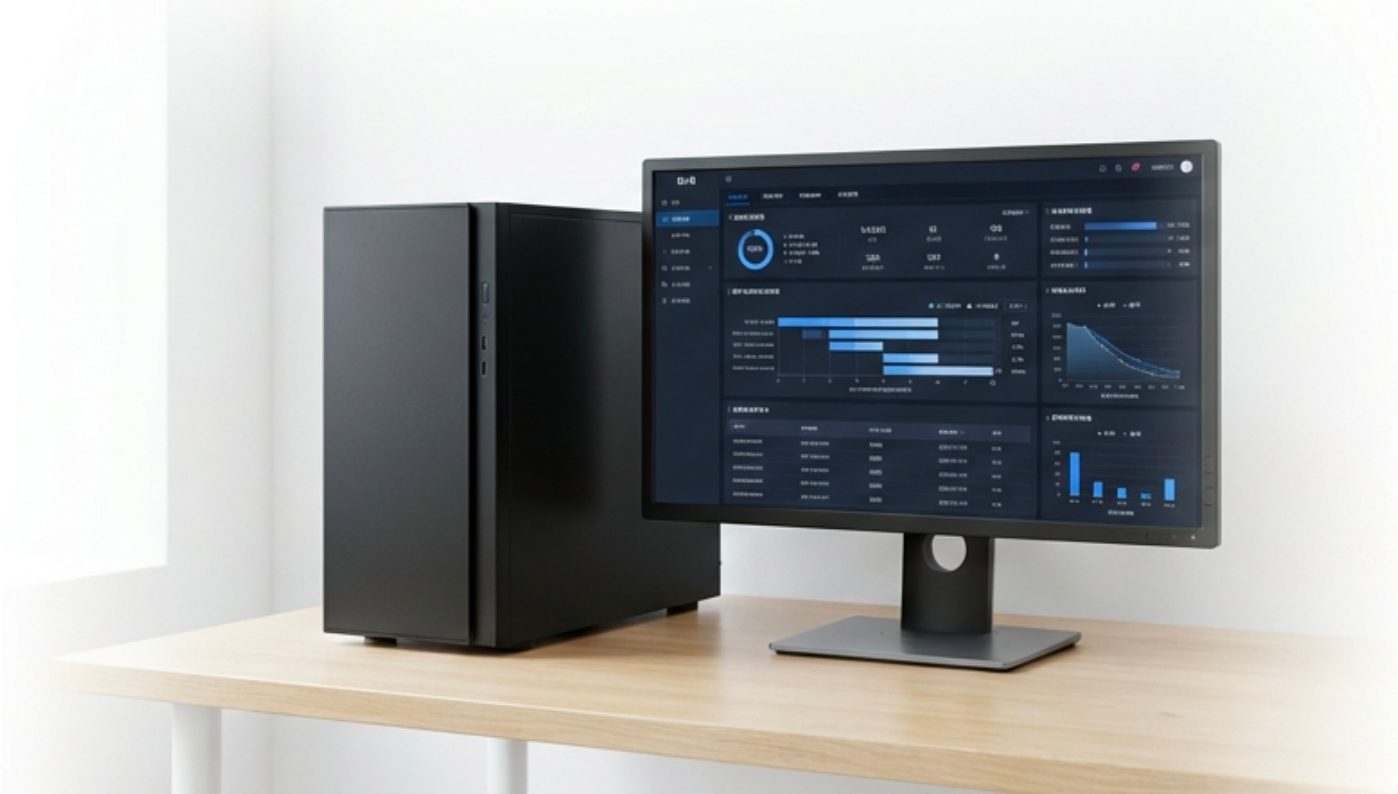
This example shows how a clinical question can be translated into an explicit, reviewable study protocol. It is not clinical guidance or a claim of treatment effectiveness.
A reusable foundation for consistent data, explicit study design, and traceable evidence
OMOP CDM aligns structure and meaning, while DQD makes completeness, conformance, and plausibility issues visible enough to review and improve.
TTE makes the population, strategies, time zero, follow-up, and outcomes explicit—and keeps the protocol connected to the analysis that follows.
Balance diagnostics, sensitivity analyses, negative controls, and E-values support robustness checks. Results travel with their code, parameters, and versions.
Dr.R carries control, comparability, verifiability, and traceability through data, methods, and delivery. It supports—not replaces—ethics review and professional judgment.
Supports on-premises and air-gapped settings. Data, analysis, and storage boundaries remain under institutional control, with permissions and logs keeping the process visible.
OMOP CDM and standard vocabularies align structure and meaning so research definitions can be reused and discussed across teams and studies.
Supports TTE, PSM/IPTW/Overlap, balance diagnostics, sensitivity analyses, E-values, and negative controls. Tools test assumptions; they do not replace expert judgment.
Trace IDs, SQL fingerprints, and versioned code, parameters, and reports form an evidence trail that can be reviewed.
A staged path across security, data, methods, and handover. Timing depends on source systems, institutional approvals, and data quality.
Define security boundaries, source-data readiness, approval requirements, and the priority research question; agree on scope and risks.
Configure the on-premises environment, access controls, audit logs, and role permissions, with clear acceptance criteria.
Map data to OMOP, maintain terminology, run DQD checks, and document issues, impact, and remediation plans.
Run the question-to-cohort-to-analysis-to-report workflow, review the first study together, and hand over SOPs, training, and reusable templates.